The Stamped blog
The Hidden Data Layer Inside Your Reviews
Your reviews contain a complete intelligence layer about your business that you're not tapping into.
Reviews
by Aiden Brady

Introduction
You’ve been collecting reviews to boost conversion rates. Star ratings on product pages, a few customer photos, maybe some testimonials sprinkled throughout your site.
But here’s what most brands miss: those same reviews contain a complete intelligence layer about your business that you’re not tapping into.
Every review is a data point.
Every complaint is a product roadmap item.
Every compliment reveals the exact language that resonates with your customers.
And every pattern tells you where your business is actually succeeding or failing.
The problem isn’t that this data doesn’t exist. It’s that most merchants don’t realize it’s there, or they don’t know how to extract it. You’re sitting on answers to questions you’ve been guessing at for months—about product development, marketing messaging, customer experience, and competitive positioning.
It’s time to shift how you think about reviews. They’re not just an on-site conversion tool. They’re your customers telling you exactly how to show up for them, improve their experience, and grow your revenue.
What’s Actually Hiding in Your Reviews
When you start analyzing review data systematically, four critical intelligence layers emerge that impact every part of your business.
Sentiment Patterns
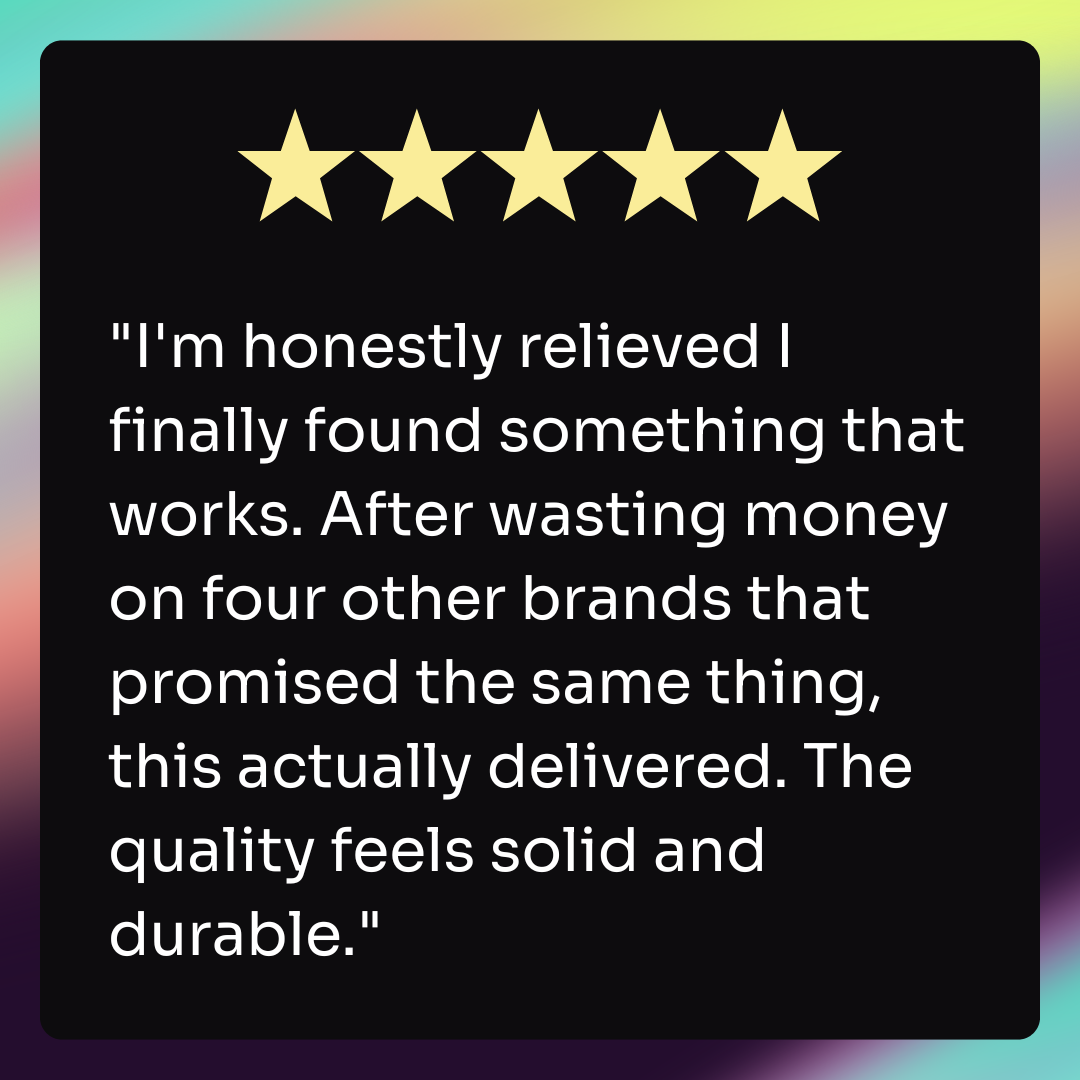
Beyond simple star ratings lies nuanced emotional data about how customers actually feel. Sentiment analysis reveals the specific language customers use when they’re delighted versus disappointed, which features trigger strong positive reactions, and which aspects of the experience feel merely adequate.
This matters because the words customers use in reviews are the exact words that will resonate in your marketing. When a customer says your product “finally solved my problem after trying five other brands,” that’s more than just a nice testimonial. When multiple customers describe feeling “frustrated by the setup process” or “relieved it actually works as advertised,” you’re seeing authentic emotional language that your copywriters could never manufacture.
Sentiment patterns also reveal the gap between what you think your brand stands for and what customers actually experience. You might believe you’re selling convenience, but if customers consistently describe your product as “durable” and “well-made,” that’s the value proposition you should be leaning into.
Pain Points
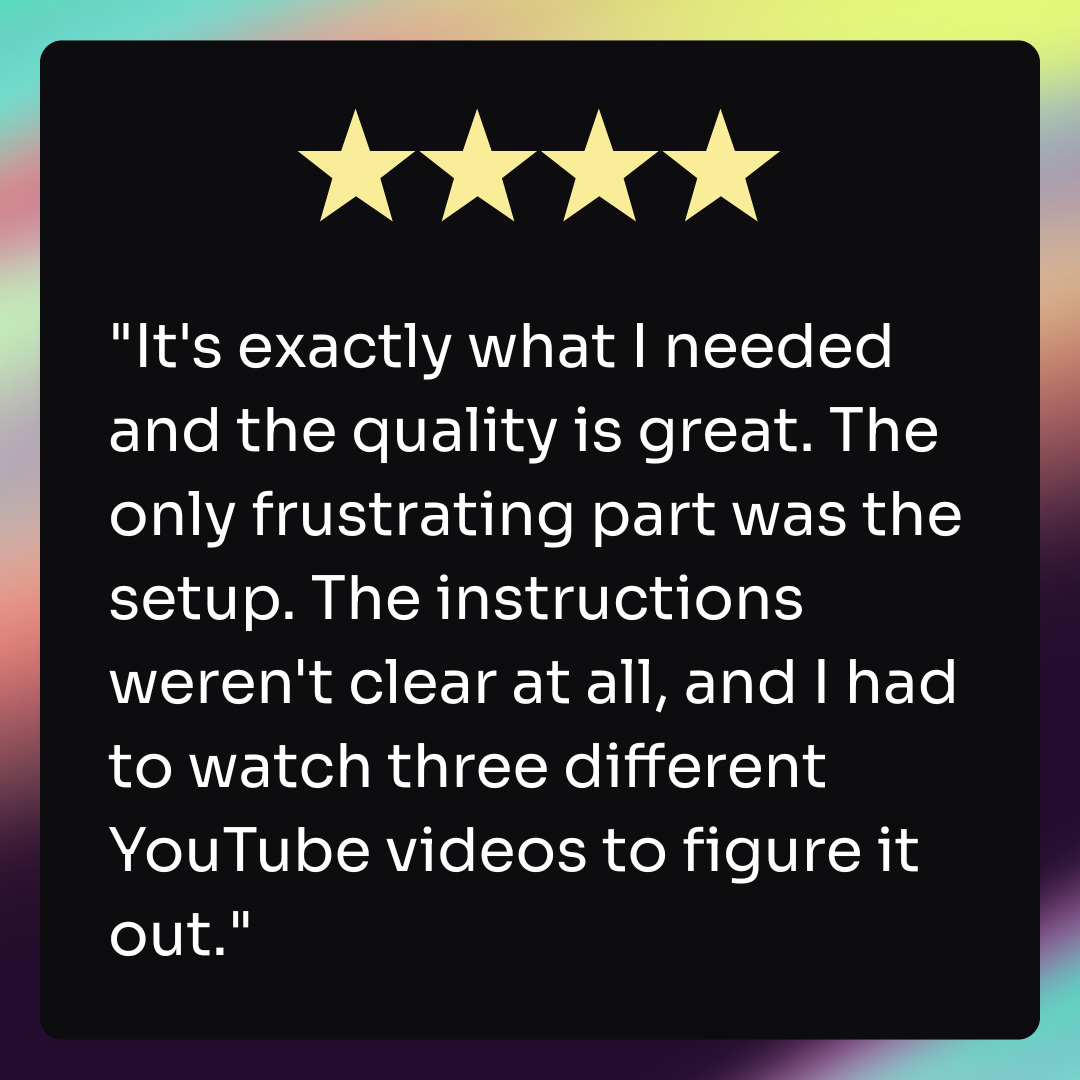
Pain points are the moments where customer experience breaks down, and they show up clearly in review patterns when you know what to look for. These are the recurring complaints that signal systemic issues rather than one-off problems.
If 15 customers mention that your packaging arrived damaged, that’s a fulfillment problem costing you repeat purchases. If dozens of reviews say “the product is great but the instructions are confusing,” you have an education gap that’s creating unnecessary support tickets and returns. If customers repeatedly say “I wish I had ordered a size up,” your sizing guide is failing.
Pain points are expensive. Every broken experience costs you in customer lifetime value, generates support volume, and increases return rates. But breakpoints are also predictable and fixable once you identify the patterns. Your reviews are showing you exactly where to focus operational improvements for immediate ROI.
The most valuable pain points are the ones that appear in otherwise positive reviews—the “I love this product but…” statements. These customers are already sold on your brand. They’re telling you exactly what’s standing between a four-star and five-star experience.
Product Gaps
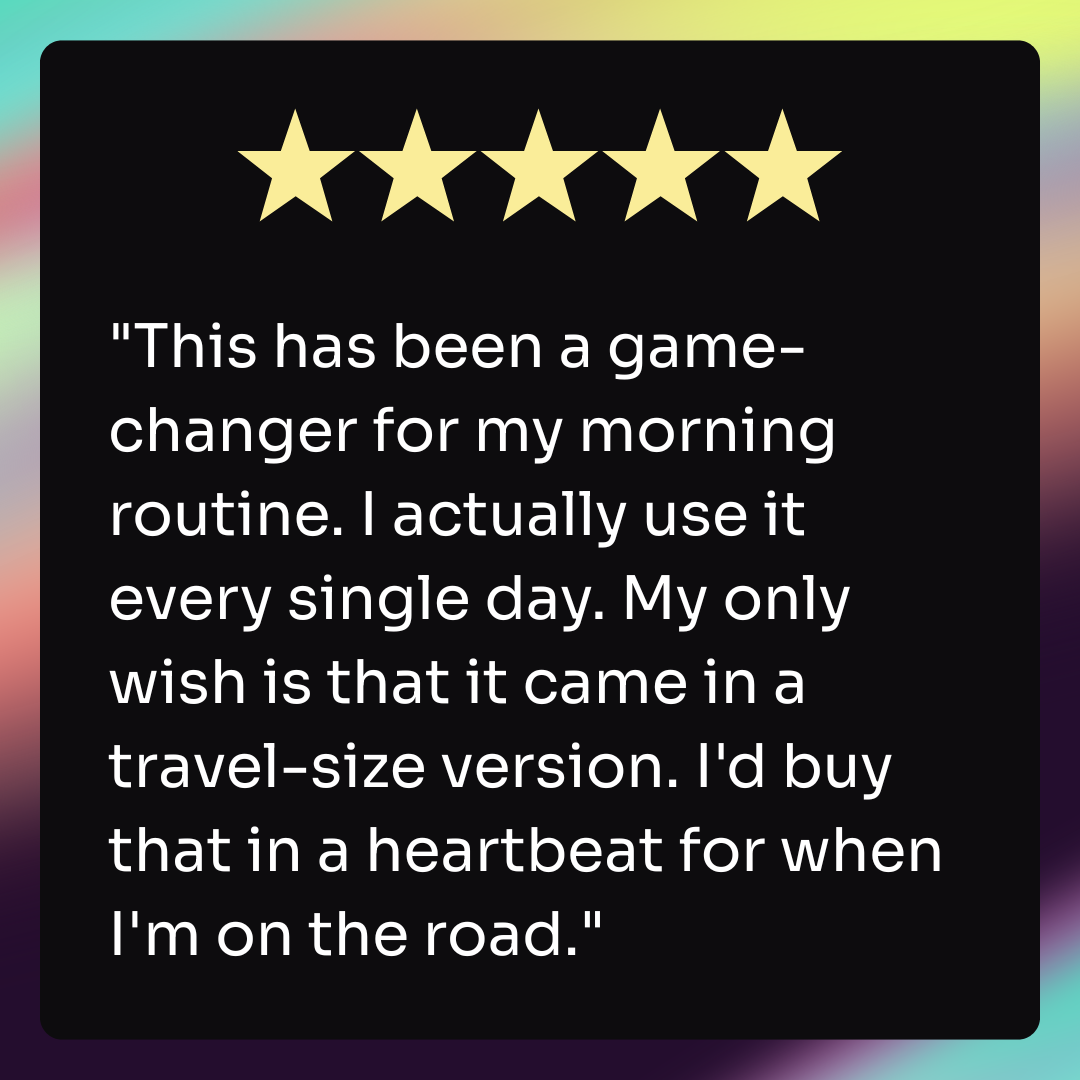
Customers don’t just tell you what’s wrong. They tell you what’s missing. Feature requests, use cases you didn’t anticipate, comparisons to competitors, and explicit “I wish this product had…” statements are scattered throughout your reviews, creating an organic product roadmap.
The intelligence here goes beyond obvious feature requests. Reviews reveal unexpected use cases that could inform new product lines or marketing angles. They show you which features customers thought they wanted versus which ones they actually use. They tell you whether customers are using your product alone or as part of a system (potential partnership or bundling opportunities).
Product gaps also appear in what customers don’t mention. If you’ve invested heavily in a feature that never appears in reviews, either customers aren’t discovering it or it’s not as valuable as you assumed. That’s critical data for prioritization.
When you aggregate this feedback across hundreds or thousands of reviews, clear patterns emerge. You stop guessing about your product roadmap and start building based on validated customer demand.
CX Signals

Reviews capture the entire customer experience from discovery to post-purchase, often in ways your internal data can’t. Customers mention how they found you, what nearly stopped them from buying, how the unboxing felt, whether the product matched their expectations from your marketing, and how your support team handled issues.
These CX signals tell you whether your marketing is attracting the right customers or setting unrealistic expectations. They reveal whether your shipping speed meets modern standards or feels slow compared to competitors. They show whether your product photography accurately represents what arrives or creates disappointment gaps.
Some of the most valuable CX signals are the small details customers mention in passing:
- “The handwritten thank you note was a nice touch.”
- “Shipping was faster than expected.”
- “The product arrived and I immediately knew I’d ordered the wrong size based on the packaging.”
These micro-moments shape whether someone becomes a repeat customer or a one-time buyer.
Reviews from gift purchasers are particularly rich CX signals because they describe both the buyer’s experience and the recipient’s reaction, giving you insight into two customer journeys in one review.
How AI Makes This Intelligence Accessible
This data has always been in your reviews. But manually reading through hundreds of reviews to find patterns is unrealistic for most teams. That’s why most brands never do it.
AI changes the equation completely. Tools like ChatGPT can analyze your entire review database in minutes and surface the patterns that would take weeks to identify manually. You can ask specific questions and get immediate answers:
- What are my top five product issues?
- Which features are customers requesting most?
- How do my recent reviews compare to reviews from six months ago?
- What do customers wish they had known before purchasing?
For in-depth AI prompts you can use to analyze your reviews today, check out our latest blog post. All you need to do is export your review data, upload it to ChatGPT, and copy-paste the prompts. You’ll get actionable insights on everything from product issues to customer segments to marketing messaging in minutes.
Once you start looking at reviews as structured data, entirely new possibilities open up. You can identify quality control issues before they become widespread problems. You can test whether product improvements are actually landing with customers. You can align your marketing messaging with the exact language that drives emotional connection.
From Data to Action
Understanding what’s in your reviews is step one. Acting on that intelligence is where the real growth happens.
The brands winning with review intelligence are creating feedback loops between what customers say and how the business operates.
- Product teams use review analysis to prioritize development.
- Marketing teams mine reviews for authentic language and testimonials that perform in ads.
- Operations teams identify and fix breakpoints that are costing retention.
- Customer success teams use sentiment patterns to get ahead of issues before they escalate.
You aren’t reading reviews occasionally or cherry-picking testimonials for your homepage. It’s about systematically extracting intelligence from customer feedback and letting that intelligence shape business decisions across every department.
Reviews become more valuable the more you collect, because patterns become clearer and insights become more reliable. The brands sitting on thousands of reviews have thousands of data points ready to be analyzed.
Turn Customer Intelligence Into Growth with Stamped
Stamped helps brands do more than just collect reviews. We help you turn customer feedback into actionable business intelligence and multi-channel marketing assets.
Our platform makes it easy to gather the volume of reviews you need through automated email and SMS campaigns, incentivized photo and video requests, and optimized timing that actually gets responses. But collection is just the foundation.
With Stamped, you can:
- Collect high-quality, detailed reviews with custom forms that capture the specific insights your business needs
- Display reviews strategically across product pages, homepage widgets, and category pages to maximize on-site conversion
- Deploy reviews as marketing assets in email campaigns, social media content, and paid advertising creative
- Syndicate reviews to Google and Meta to boost your visibility and credibility across channels
- Access your review data whenever you need it to run the kind of analysis that transforms feedback into strategy
The most successful brands on Stamped are using reviews to understand their customers more deeply, fix experience gaps faster, and build marketing that actually resonates because it’s rooted in authentic customer language.
Your customers are already telling you how to grow your business. The question is whether you’re listening.
Ready to unlock the intelligence in your reviews? Book a demo with Stamped to see how we help brands collect more customer feedback and turn it into real business results.
Related Articles

How Stamped x Bazaarvoice Turns Reviews Into Multi-Channel Revenue
Your products are being discovered across retail partners and marketplaces where shoppers can't see the social proof you've collected on your DTC site. The Stamped x Bazaarvoice integration solves this by syndicating your existing reviews to retail channels, helping you reach customers where they actually shop and convert browsers into buyers with the trust signals they need.
by Aiden Brady
Integrations
Reviews

How to Collect More Customer Reviews
Customer reviews are the digital word-of-mouth that drives modern commerce. With nearly 95% of consumers reading online reviews before making a purchase, and 67.4% reading between 1-6 reviews specifically, collecting authentic customer feedback is essential for business growth.
by Aiden Brady
Reviews

9 AI Prompts to Analyze Your Product Reviews Today
Your product reviews are sitting there, packed with insights about what's working, what's not, and what your customers actually care about. But let's be honest, who has time to read through hundreds (or thousands) of reviews to find the patterns?
by Aiden Brady
Reviews