The Stamped blog
How Smart Brands Turn Reviews Into Business Intelligence
Let's break down the misunderstood truths about reviews and what smart brands do differently.
Reviews
by Aiden Brady

Introduction
Most brands treat review ratings like a vanity metric. They check their latest reviews, celebrate the 5-star testimonials, and maybe cringe at the occasional 1-star complaint. But here’s what separates growing brands from stagnant ones: the best brands read reviews like a diagnostic report on their entire business.
Every review is a window into what’s actually happening with your products, your customer experience, and your market positioning. The problem is that most merchants fundamentally misunderstand what reviews can tell them—and more importantly, what they should be looking for.
Let’s break down the misunderstood truths about reviews and what smart brands do differently.
#1: Perfect Ratings Are Actually a Red Flag
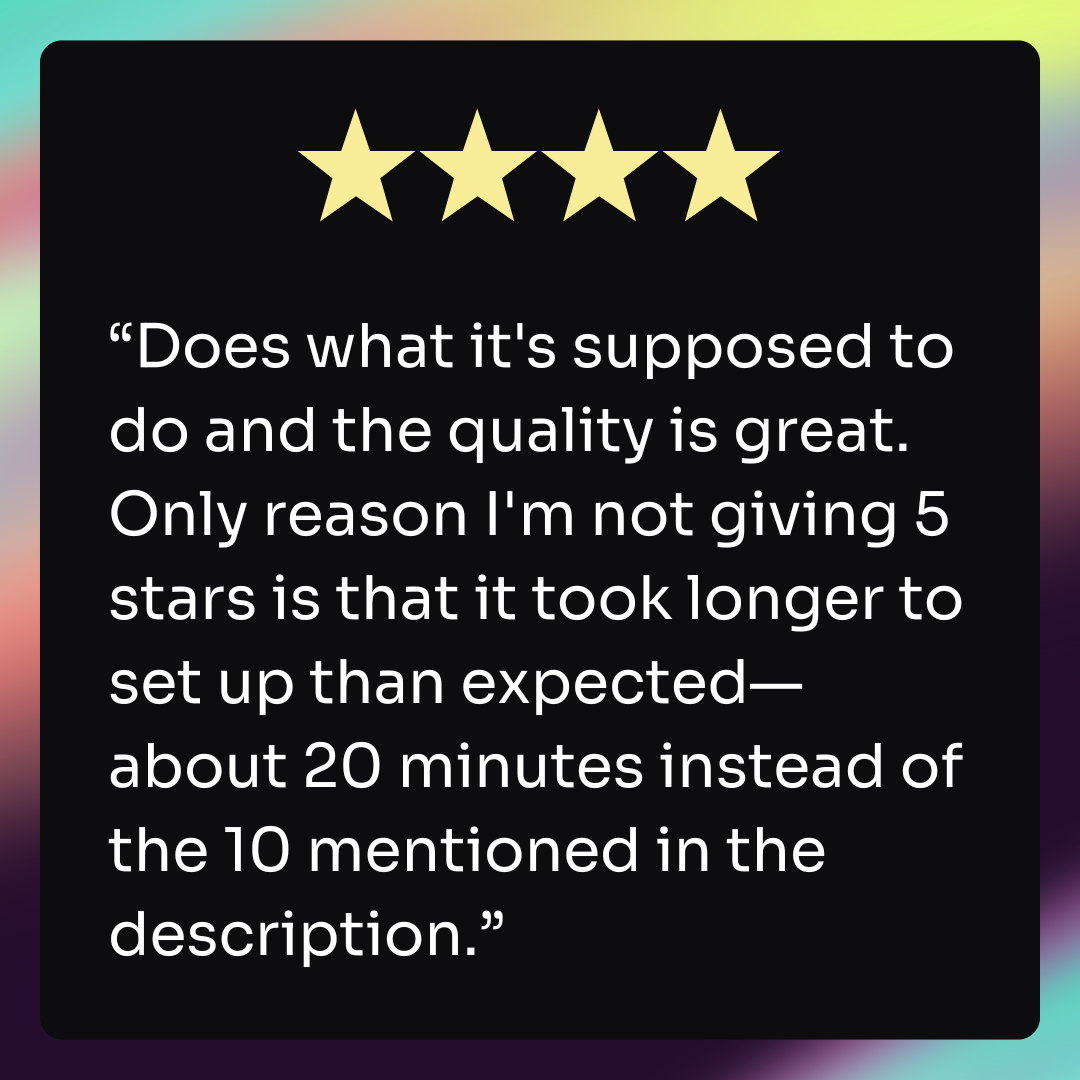
You’d think a perfect 5-star rating would be the goal. It’s not.
Research shows that customers are more likely to trust a 4.4 or 4.5-star rating than a perfect 5.0. Why? Because slight imperfection signals authenticity. A flawless rating makes it feel like reviews are being filtered, manipulated, or fabricated. Real products used by real people will have some variation in experience and opinion.
What smart brands do: They don’t obsess over maintaining a perfect rating. Instead, they look at the distribution of ratings to understand their customer base. A product with mostly 5-star reviews and a handful of 3-star reviews is revealing something about fit, use case, or customer expectations.
When you analyze what separates your 5-star reviews from your 3-star reviews, you discover exactly what determines whether a customer loves or merely tolerates your product. Maybe the 5-star reviews come from customers who read the product description carefully and knew exactly what to expect. Maybe the 3-star reviews come from customers who were hoping for a feature you don’t offer. That’s not a product problem—that’s a communication problem you can fix in your marketing.
The intelligence is in understanding why ratings vary and what that variance tells you about your positioning and messaging.
#2: Negative Reviews Contain Your Best Product Roadmap
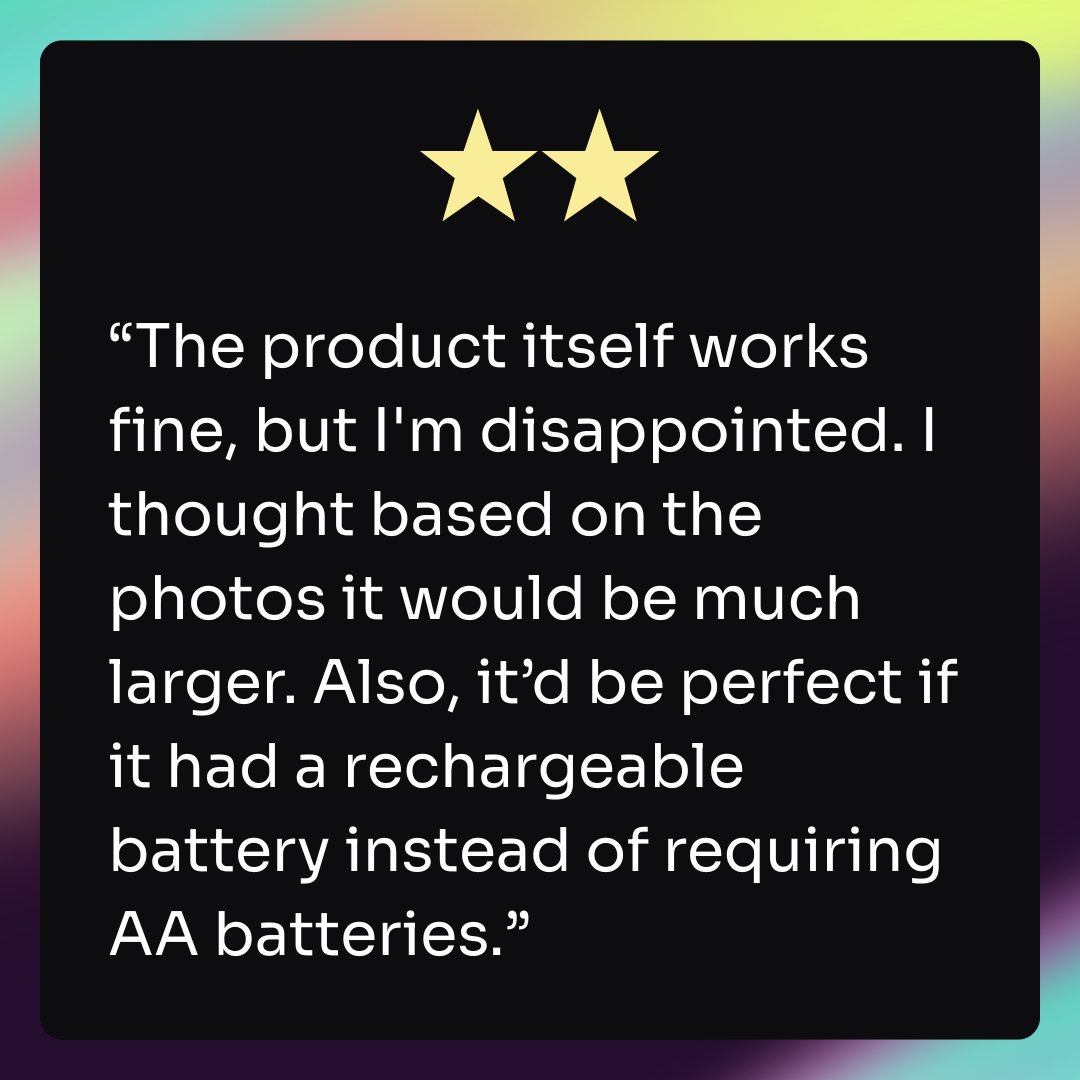
Most brands dread negative reviews. Smart brands mine them for gold.
1-star and 2-star reviews are painful to read, but they’re also the most direct feedback you’ll ever get about what’s not working. Customers who are frustrated enough to leave a negative review are telling you exactly what broke their experience. And often, they’re giving you insight into what would have made them a satisfied customer instead.
What smart brands do: They categorize negative reviews to identify patterns. Is the complaint about product quality, shipping speed, unclear descriptions, missing features, or poor fit? Each category points to a different fix.
If you’re seeing repeated complaints about a specific defect or quality issue, that’s a quality control red flag that needs immediate attention. If customers consistently say “I thought this would be bigger” or “I wish I’d ordered a size down,” your product photography or descriptions aren’t setting accurate expectations. If multiple reviews mention “great product but took forever to arrive,” you have a fulfillment logistics or communication issue.
The most valuable negative reviews are the ones that include phrases like “I wish this had…” or “It would be perfect if…” Those are feature requests from customers who are already bought into your brand. They’re literally writing your product development roadmap for you.
Smart brands also recognize that negative reviews improve conversion rates when handled well. When you respond thoughtfully to critical feedback and show you’re listening and improving, potential customers see a brand that cares about customer experience. Authenticity and responsiveness build more trust than manufactured perfection.
#3: What Customers Don’t Mention Is as Important as What They Do
You’ve invested in a feature you thought would be a game-changer. You prominently feature it in your marketing. But when you read through reviews, customers barely mention it. That silence is telling you something crucial.
What smart brands do: They track which features and benefits actually appear in customer reviews versus which ones they emphasize in marketing. The gap between the two reveals misalignment.
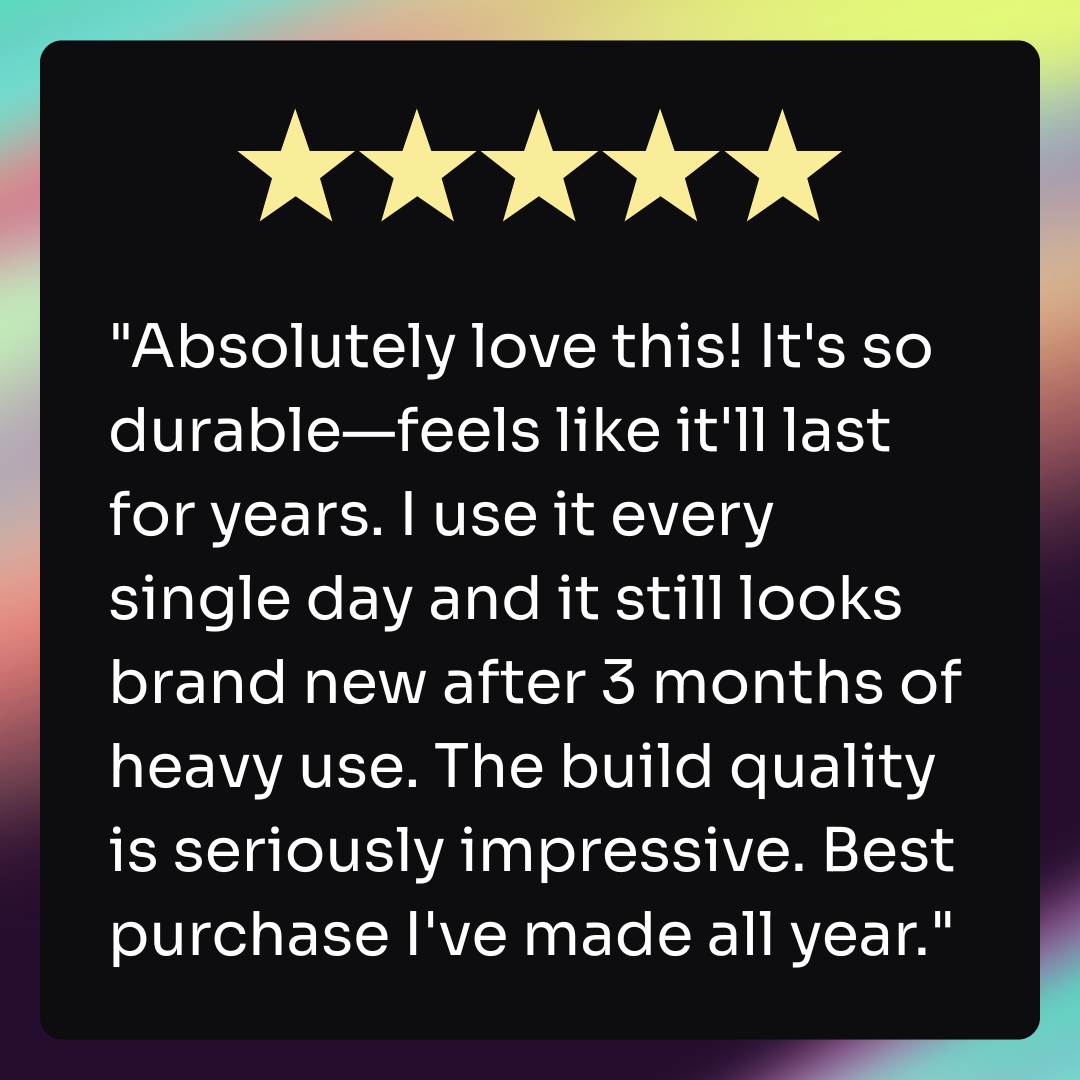
If you’re marketing convenience but customers are raving about durability, you’re missing your actual value proposition. If you’ve built a premium feature that nobody talks about, either customers aren’t discovering it, don’t understand it, or it’s not as valuable as you assumed. If customers consistently mention benefits you never thought to highlight, you’ve found authentic differentiation.
This analysis reshapes how you talk about your products. Instead of leading with features you think are important, you lead with benefits that customers actually experience and care enough about to mention unprompted.
The brands that grow fastest are the ones whose marketing mirrors the language customers use in reviews. You can take a customer’s exact words from a 5-star review and use them as headline copy on your product page, in your ad creative, or in your email subject lines. When your messaging reflects authentic customer experience rather than internal assumptions, it resonates immediately because it’s based on truth.
#4: Reviews Reveal Customer Segments You Didn’t Know You Had

Not all customers use your products the same way, but most brands market as if they do. Reviews show you the actual diversity of your customer base. Different use cases, different needs, and different definitions of success.
What smart brands do: They analyze reviews to identify distinct customer segments based on how people actually use the product. These segments become the foundation for more targeted marketing and better product development.
For example, a fitness product might reveal three distinct segments in reviews: beginners who love the simplicity, experienced users who appreciate the advanced features, and rehabilitation customers using it for injury recovery. Each segment has different priorities, different objections, and different language that resonates with them.
When you identify these segments, you can create marketing that speaks directly to each group. Your email campaigns can highlight different benefits based on customer behavior. Your product pages can include filtering options so shoppers find reviews from people like them. Your ad creative can test different angles based on which segment you’re targeting.
Gift buyers are a particularly important segment that shows up clearly in reviews. When customers mention “I bought this for my mom and she loves it” or “perfect gift for my boyfriend,” they’re revealing a use case you should be marketing to. Gift buyers have different decision criteria than personal purchasers. They care more about presentation, ease of use, and whether the recipient will immediately appreciate it.
If you’re seeing consistent mentions of gift-giving in reviews, that’s a signal to create gift-specific experiences: special gift packaging options, the ability to include a personalized note, gift messaging on your product pages, or dedicated gift guides that make it easy for buyers to choose confidently.
Understanding your actual customer segments, not the ones you imagined, allows you to market more effectively and develop products that serve real needs.
#5: Review Timing Tells You About Product Lifecycle Issues
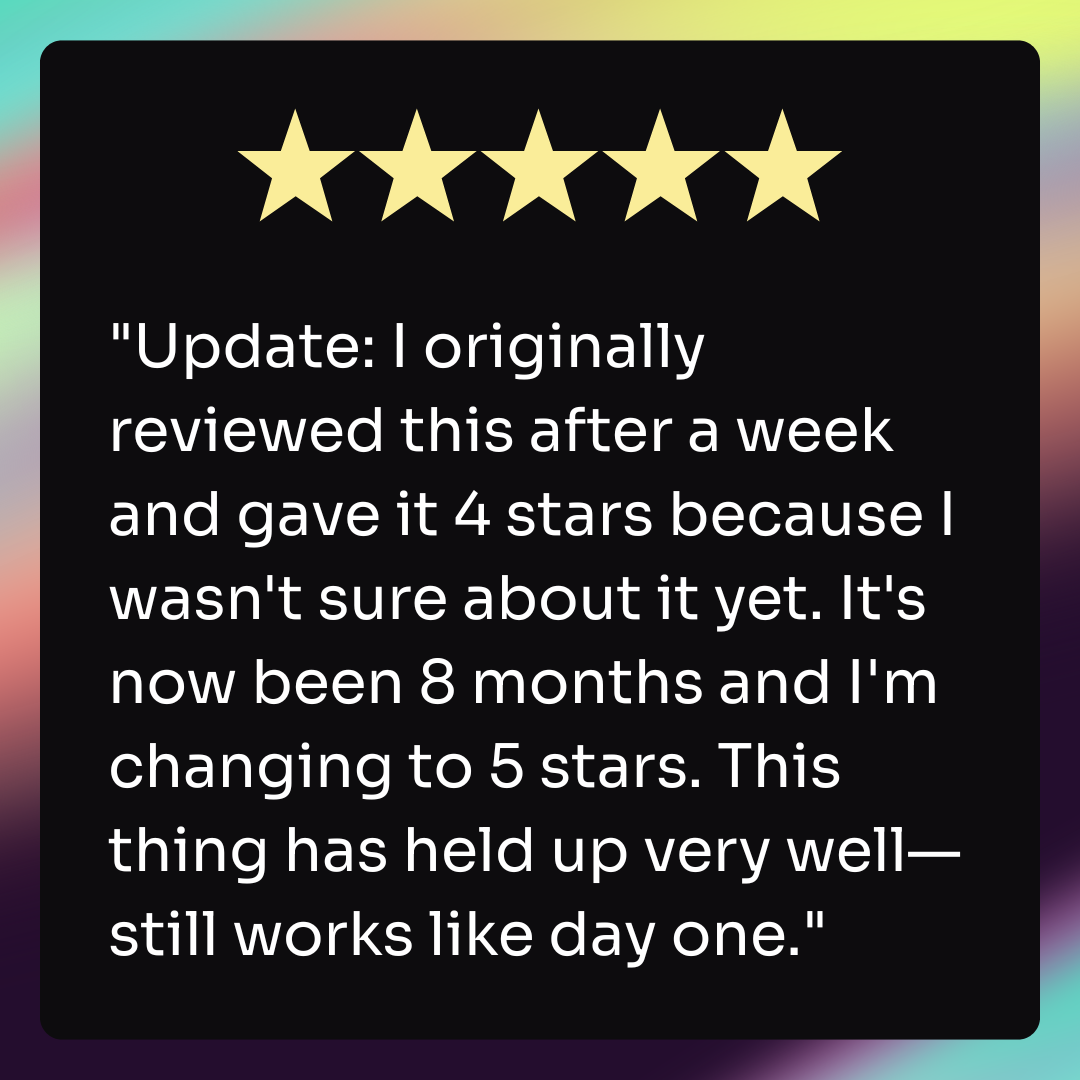
When reviews arrive matters as much as what they say. The timeline of customer feedback reveals whether your product has a “honeymoon period” where early enthusiasm fades, or whether satisfaction grows as customers discover more value over time.
What smart brands do: They analyze sentiment trends over time and compare recent reviews to historical ones. Are recent reviews more positive or more negative than six months ago? Did sentiment shift after you changed suppliers, updated packaging, or modified the product?
If you see a pattern where customers leave glowing 5-star reviews in the first week but later reviews are more critical, that suggests the product doesn’t deliver long-term value or has durability issues that don’t surface immediately. If customers mention “still going strong after six months” or “I’ve been using this daily for a year,” that’s powerful social proof about longevity and value.
Review timing also reveals opportunities for better engagement. If most reviews come in within 7-14 days of purchase, you know when customers are most enthusiastic and most likely to respond to requests for referrals or repeat purchases. If reviews trickle in months later, it means customers need more time to form opinions—and your review request timing should be adjusted accordingly.
#6: Comparison Mentions Surface Your Real Competitors
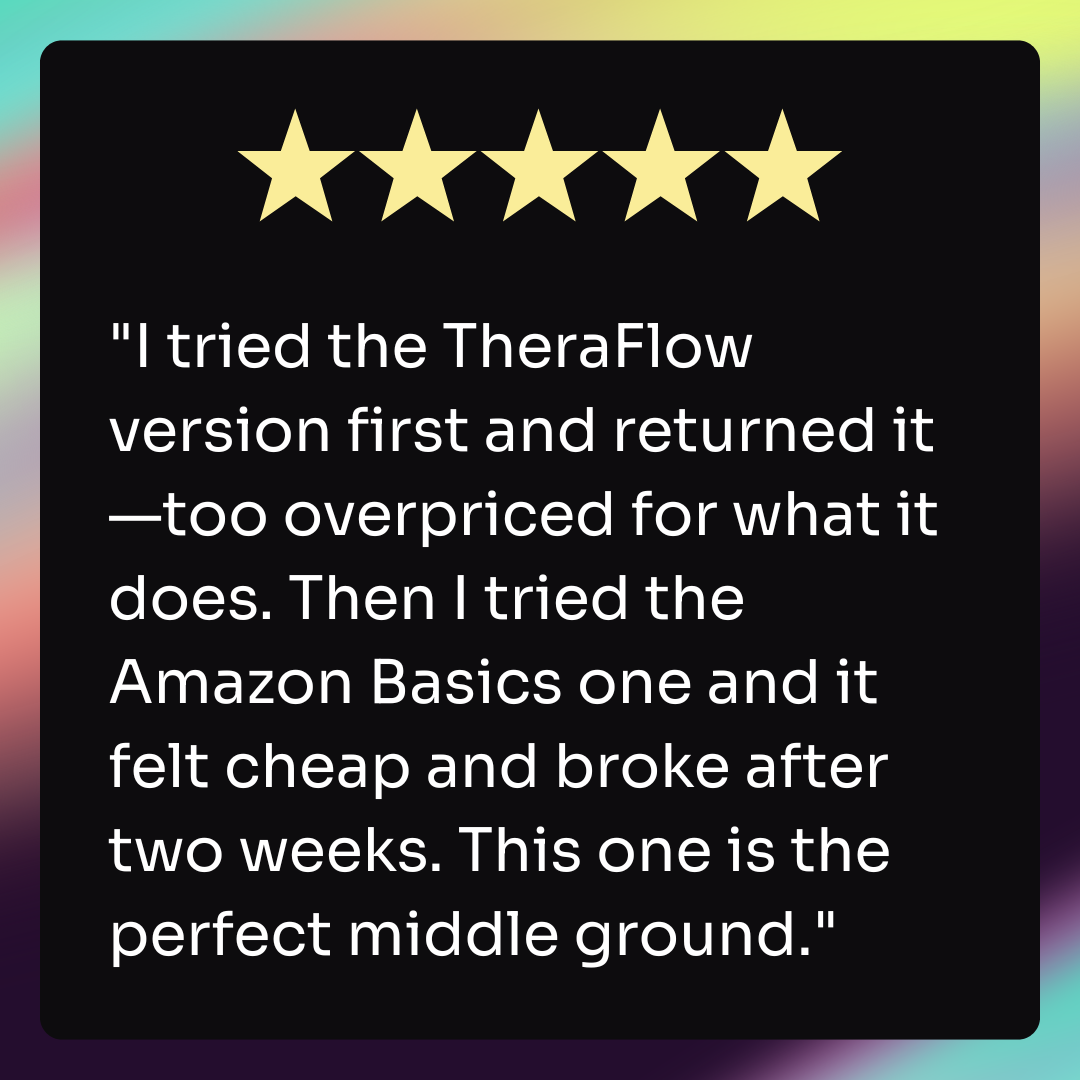
You think you know who you’re competing with. But customers are actually comparing you to brands you’ve never considered, and they’re telling you about it in reviews.
What smart brands do: They search for competitor mentions, alternative products, and comparison language in reviews. Phrases like “better than Brand X,” “I tried Product Y first,” or “similar to Z but cheaper” reveal your actual competitive set from the customer’s perspective.
This intelligence is invaluable for positioning. If customers consistently compare you favorably to premium competitors, you can price more aggressively and position as premium quality at a better value. If they’re comparing you to budget alternatives and choosing you despite higher price, you know your differentiation is working.
Comparison mentions also reveal which customer objections you need to address in marketing. If multiple reviews say “I was worried about [specific issue] after trying Brand X, but this solved it,” that’s proof you can use in ad copy to directly address the hesitation of customers considering that competitor.
From Intelligence to Action: What Changes When You Actually Use This Data
Reading about what reviews can tell you is one thing. Acting on it is what separates brands that grow from brands that plateau.
The brands winning with review intelligence have created systems for extracting and applying these insights:
- Product teams use reviews to prioritize development, validate ideas before building, and identify quality issues before they become widespread.
- Marketing teams mine reviews for authentic testimonials, emotional language that converts, and messaging that mirrors how customers actually talk about products.
- Operations teams track breakpoints in the customer experience, fix fulfillment issues, and improve onboarding based on recurring friction points.
- Customer success teams identify at-risk segments, address common objections proactively, and use sentiment patterns to prevent churn.
It’s time to start treating your review database as a living intelligence layer that informs decisions across every department.
Turn Reviews Into Intelligence With Stamped
This kind of systematic review analysis only works if you’re consistently collecting high-quality, detailed reviews in the first place. That’s exactly what Stamped helps brands do.
Our platform makes it easy to build review volume through automated email and SMS campaigns, optimized request timing, and incentivized photo and video submissions. But collection is just the foundation.
With Stamped, you can:
- Capture detailed insights with custom review forms that ask the specific questions your business needs answered
- Access your complete review data whenever you need it for analysis and pattern identification
- Display reviews strategically across your site with widgets that showcase the social proof driving conversion
- Deploy reviews as marketing assets in email campaigns, social content, and paid advertising
- Syndicate reviews to Google and Meta to amplify your credibility across channels
Brands on Stamped are using reviews to make better product decisions, craft more authentic marketing, and fix experience gaps before they become expensive problems.
Your customers are already telling you how to grow your business. The only question is whether you’re listening—and more importantly, whether you’re acting on what you hear.
Ready to turn customer feedback into competitive advantage? Book a demo with Stamped to see how we help brands collect the volume and quality of reviews that make this level of intelligence possible.
Related Articles

The Hidden Data Layer Inside Your Reviews
Your reviews contain a complete intelligence layer about your business that you're not tapping into.
by Aiden Brady
Reviews

7 Best Practices For Collecting (and Leveraging) NPS Scores
Customer satisfaction plays a crucial role at every stage of the funnel, from browsing to purchase and post-order follow-up. Brands must ensure a seamless experience, and measuring this satisfaction is key — that's where Net Promoter Scores (NPS) come in. In this article, you'll learn the best practices for collecting and leveraging NPS, helping you boost customer loyalty, enhance your brand's reputation, and reduce churn
by Sammi Wong
Reviews

Comparing Review Platforms: Who Does It Best? (2023)
Choosing the right reviews platform can transform your marketing efficiency and the quality of customer feedback you collect. We're breaking down what to look for to help you make an informed decision to strengthen your brand’s growth.
by Sammi Wong
Reviews